First, the emotional part is real
Most people we meet in this situation aren't in a hurry to sell. They're in a hurry to stop thinking about it. There's a house sitting empty, taxes coming due, siblings in three states, and a garage full of things nobody knows what to do with.
That's normal, and there's no rush on our end. But a few things are worth understanding early, because they affect your timing.

Can you sell before probate is finished?
Usually not, you generally need legal authority to transfer title. What that looks like in Texas depends on the situation:
- There's a will. Texas allows independent administration, which is faster and less court-supervised than in many states. Many estates move through in a few months.
- There's a will and no debts to settle. A muniment of title may be an option, a simplified path that transfers property without a full administration.
- There's no will. The court determines heirs, which usually takes longer and may require an heirship proceeding.
- The estate is small. A small estate affidavit may apply in limited circumstances.
One timing detail people miss: Texas generally requires a will to be filed for probate within four years of the date of death. If you're past that window, options narrow considerably, talk to a probate attorney sooner rather than later.
What if the siblings don't agree?
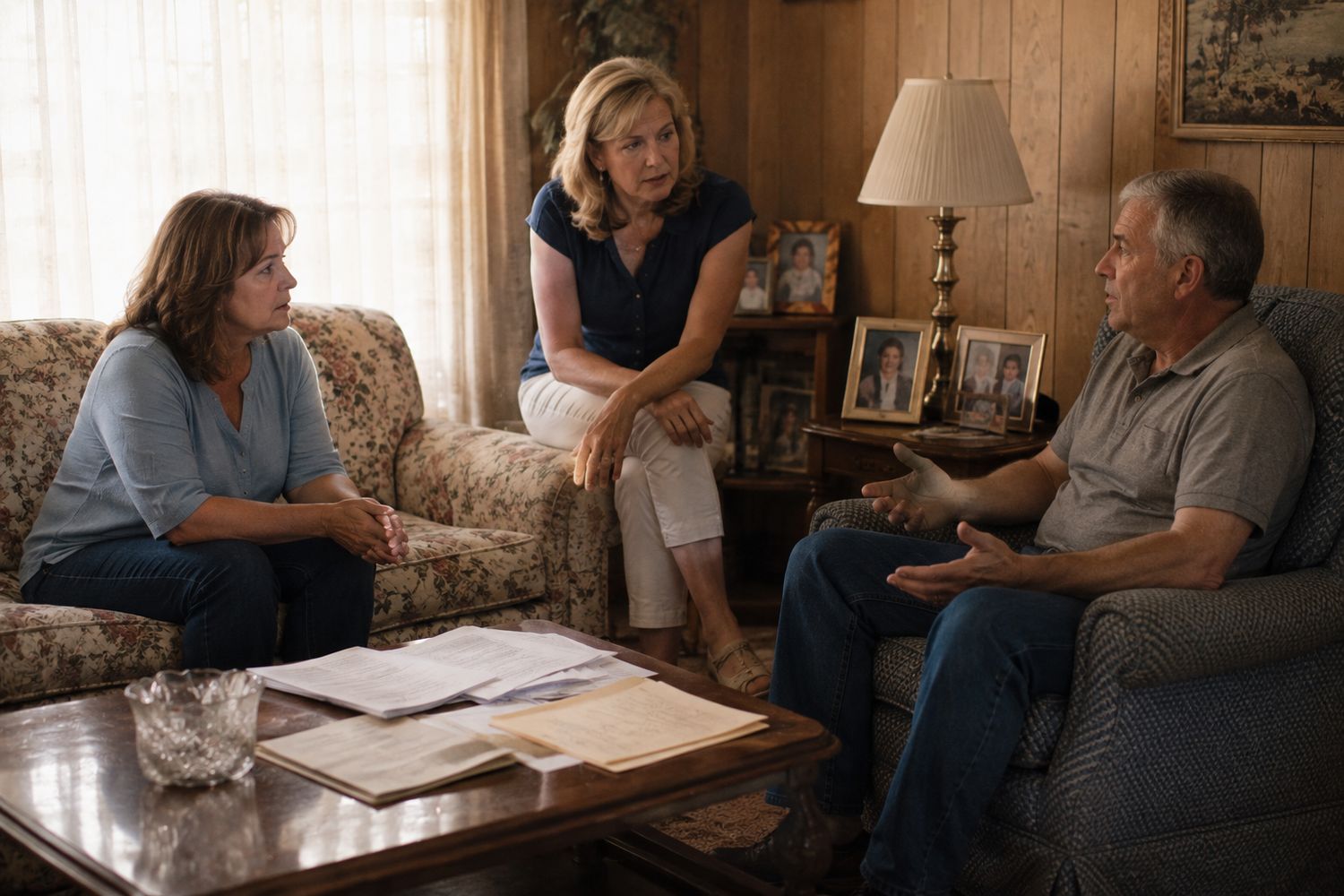
This is the most common complication we see, and it's rarely about money. It's usually one person who lives nearby carrying the burden while others weigh in from out of state.
Practically: all heirs with an ownership interest generally need to sign off on a sale. If one won't, options include buying out their share or, as a last resort, a partition action through the court, slow and expensive, and worth avoiding.
What helps most is everyone seeing the same information at the same time. When we walk a property, we're glad to get siblings on speakerphone or send the comps to everyone so nobody feels like decisions are happening without them.
Do you have to clean it out?
No. Take what matters to you and leave the rest, that's genuinely the end of it. If there are things worth selling, run an estate sale first and we'll work around your timeline. If it's forty years of accumulation nobody wants, don't spend thousands on dumpsters. Make it our problem.
What about repairs?
Inherited homes are often 30 to 60 years old and haven't been updated in decades. Foundation settling, an aging roof, original electrical. On the open market those become inspection negotiations and financing obstacles. We buy as-is, so none of it needs addressing.
That said, if the house is in good shape, listing it will likely net more than we can offer, and we'll tell you that.
Messy title? That's often solvable
We've worked through liens, unpaid property taxes, missing heirs, and heirs living in other countries. The title companies we use have seen nearly everything. Don't assume a complicated situation means you can't sell, call and let's talk it through.
Taxes
Inherited property generally receives a stepped-up basis to its fair market value at the date of death, which often means far less capital gains exposure than people expect. Texas has no state income tax. But every estate is different, please confirm your specific situation with a CPA or tax attorney. We're not qualified to advise on it and won't pretend otherwise.