How Texas foreclosure works
Texas is primarily a non-judicial foreclosure state. That means most foreclosures don't go through a courtroom, the lender follows a process laid out in the deed of trust and state law. It's faster than judicial states, which is why timing matters here.
The general sequence:
- You fall behind. Late fees, then default.
- Notice of Default and Intent to Accelerate. Typically gives at least 20 days to cure the default.
- Notice of Sale. If not cured, the lender must generally provide notice at least 21 days before the sale date, filed with the county and sent to you.
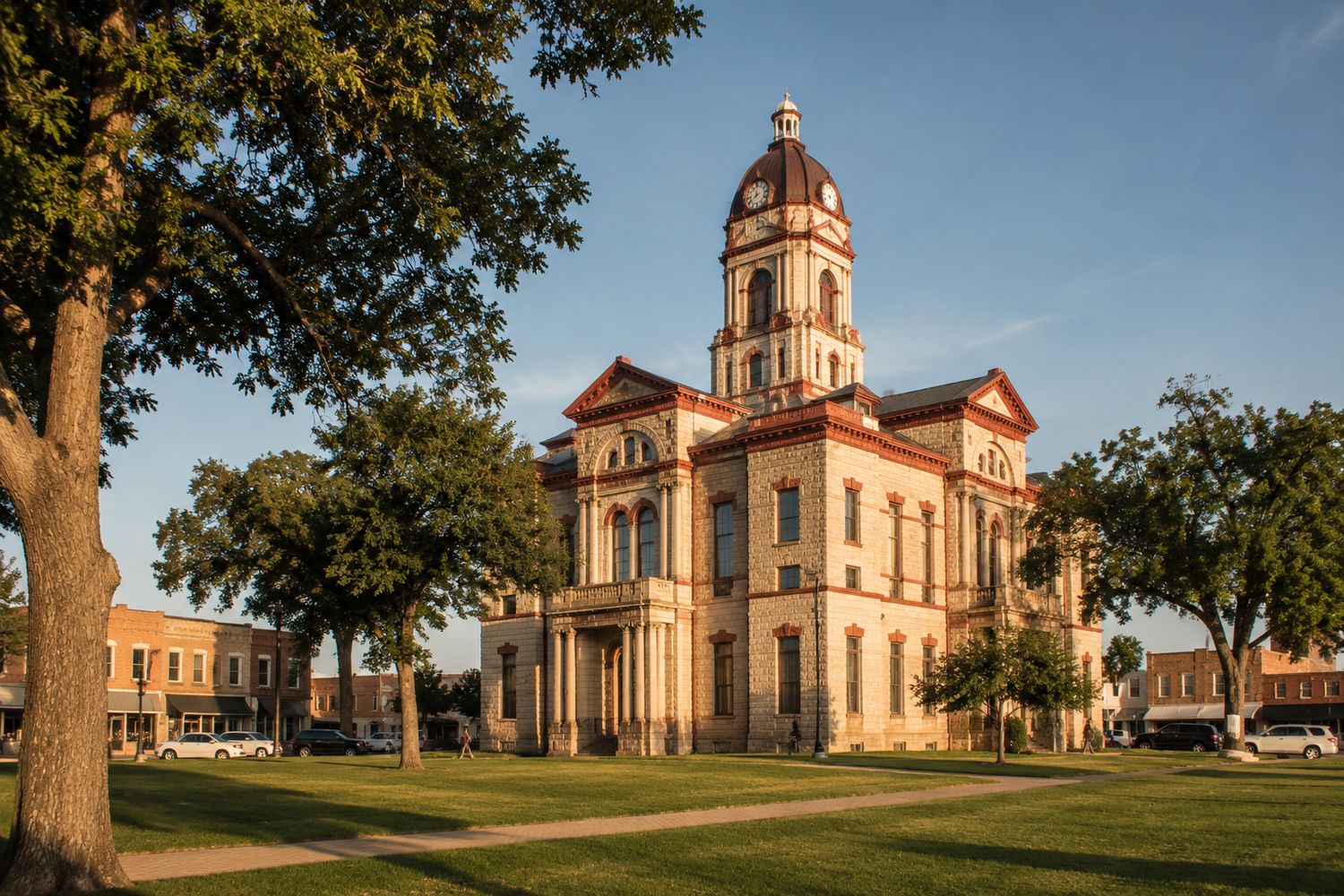
- Foreclosure sale. In Texas these are held on the first Tuesday of the month, at the county courthouse.
The practical takeaway: from formal notice of default to sale can be as short as roughly six to eight weeks. If you've received a Notice of Sale, you're on a clock, but you still have the right to sell the property yourself up until the sale occurs.
Your options
- Reinstate. Pay the past-due amount plus fees and the loan continues.
- Loan modification or forbearance. Talk to your servicer. This takes time, so start early.
- List the house. Works if you have enough equity and enough runway. With DFW homes averaging roughly 48 to 60 days just to get under contract, plus 30 to 45 more to close, this is often too slow once a sale date is set.
- Sell to a cash buyer. Faster and more certain. If there's equity, you keep what's left after the payoff.
- Short sale. If you owe more than it's worth, requires lender approval and takes longer.
- Let it foreclose. Sometimes the right answer, but it's the most damaging to your credit and you lose any remaining equity.
Does selling help your credit?
Generally yes, compared to a completed foreclosure. A foreclosure is among the more serious negative marks and can affect you for years. Selling before the sale date, even quickly, typically avoids that specific entry.
What if I owe more than the house is worth?
Tell us early. It changes the conversation but doesn't necessarily end it. Sometimes a short sale is workable. Sometimes we can structure something. And sometimes the honest answer is that we can't help, in which case we'll say so and point you toward a HUD-approved housing counselor, which is a free resource many people don't know exists.
A word on people who contact you during foreclosure
Notices of Sale are public record, which is why the letters and calls start. Some of those people are reputable. Some are not.
Regardless of who you talk to, protect yourself: never sign anything transferring your deed without understanding exactly what it does, be wary of anyone asking for upfront fees to "save" your home, and confirm the buyer can actually close. We bring a proof of funds letter to every appointment and put real earnest money into escrow. Ask anyone else to do the same.
This page is general information about the Texas foreclosure process, not legal advice. Timelines and requirements vary by loan and circumstance. Please speak with an attorney or a HUD-approved housing counselor about your specific situation.